Managing a commercial property in Central Florida means battling the heat daily. When the AC goes down in July, you don't just have a broken machine. You have frustrated tenants, potential revenue loss, and a phone that won't stop ringing. In Orlando's 90-degree summers, reliable cooling isn't a luxury. It's a requirement.
Most AC failures we see aren't random mysteries. They follow a predictable pattern driven by our high humidity and constant system usage. Knowing what to look for helps you fix problems faster or prevent them entirely. In our experience helping property managers across the region, getting the right AC supplies Orlando Florida, businesses rely on is the first step toward stability.
This guide covers the five most common failures we encounter. We'll explain why they happen and give you actionable fixes to get your central air conditioning systems running again.
Is Your System Low on Refrigerant?
Low refrigerant levels almost always indicate a leak in the system. Refrigerant operates in a closed loop, meaning it doesn't get "used up" like gas in a car. If your levels are low, the chemical is escaping somewhere. Simply adding more refrigerant without fixing the hole is a temporary waste of money that can damage the compressor.
Symptoms to Watch For:
- Warm air blowing from vents.
- Ice forming on the refrigerant lines or evaporator coil.
- Hissing or bubbling noises near the unit.
- Higher than normal electric bills.
The Fix:
Call a licensed technician immediately. They need to locate the leak, repair it, and then recharge the system. Expect leak detection to cost between $150 and $400, depending on the difficulty, plus the cost of the repair and refrigerant. While you wait for help, turn the system off to prevent the compressor from overheating.
How Often Should You Change Commercial Filters?
In Florida, commercial properties replace their AC filters every 30 to 60 days during the summer. While standard advice says 90 days, our pollen counts and constant system runtime clog filters much faster. A dirty filter restricts airflow, forcing the blower motor to work harder and reducing cooling capacity by up to 15%.
Why It Matters:
Clogged filters are the leading cause of preventable system failures. We recently visited an office building in Lake Nona where a simple $15 filter caused a complete system freeze-up. The lack of airflow caused the coils to drop below freezing, blocking all air movement.
The DIY Solution:
Stock up on filters. Buying in bulk saves money and time. If you manage a complex that uses home package air conditioning units for individual suites, keep a log of filter sizes for each unit. Replacing a filter takes five minutes and costs under $20, but it saves you hundreds in emergency service calls.
Why Is My Evaporator Coil Frozen?
Evaporator coils freeze when the system can't absorb enough heat from the air. This happens due to restricted airflow (dirty filters or blocked vents) or low refrigerant levels. In areas like Winter Park where humidity stays high, the moisture on the coils can freeze rapidly if the temperature balance is off.
Symptoms to Watch For:
- Visible ice on the indoor unit or copper lines.
- The system runs but blows warm or no air.
- Water is pooling around the indoor unit as ice melts.
The Fix:
Turn the AC off immediately. Turn the fan setting to "ON" to help blow warm air over the coils and melt the ice. This thawing process can take 2 to 24 hours. Do not try to chip the ice away, as you can easily puncture the copper coils. Once it thaws, check the filter. If the filter is clean, you likely have a refrigerant issue and need a pro.
What Are the Signs of a Bad Fan Motor?
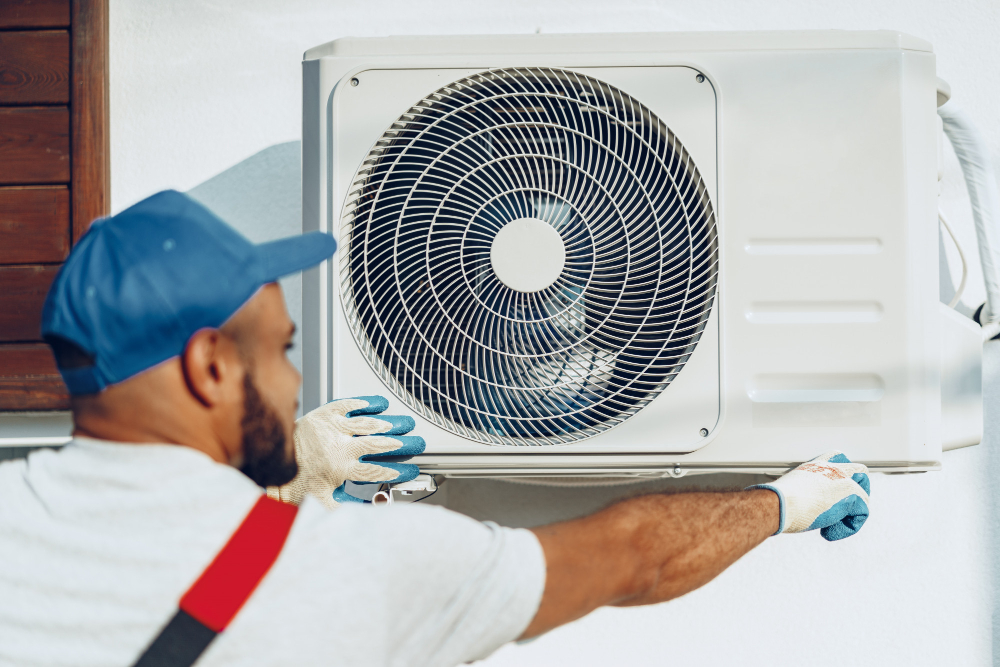
The fan motor is responsible for expelling heat from the outdoor unit. If it fails, the compressor cannot cool the refrigerant, and the system will shut down on high-pressure safety limits. Florida’s intense sun and frequent thunderstorms put immense stress on these electrical components.
Symptoms to Watch For:
- The outdoor fan isn't spinning, but the compressor is humming.
- Squealing, grinding, or buzzing noises coming from the outdoor unit.
- The top of the outdoor unit feels extremely hot to the touch.
The Fix:
This requires a professional replacement. A technician will check the capacitor first, as a bad capacitor (a $20-$50 part) often prevents the fan from starting. If the motor itself is burnt out, replacement costs typically range from $300 to $600, including labor. We recommend checking your capacitors annually, as the heat in Central Florida degrades them quickly.
Why Is My AC Leaking Water?
Condensate drain lines clog with algae, mold, and sludge. An AC system removes humidity from the air, turning it into water. In our humid climate, a single commercial unit can produce over 20 gallons of water a day. If the drain line blocks up, that water backs up into the building, causing ceiling damage and slip hazards.
Why It Matters:
Water damage is expensive. We've seen clogged lines cause thousands of dollars in drywall and flooring damage in multi-story buildings near Downtown Orlando. Most modern systems have a float switch that shuts the unit off if water backs up, but older systems might not.
The Fix:
Routine maintenance is key. Pour a cup of distilled white vinegar down the condensate drain line every time you change the filter. This kills the algae and keeps the line clear. If the line is already clogged, a wet/dry vac can sometimes pull the blockage out from the exterior drain exit. If you need replacement drain pans or specialized cleaning chemicals, looking for quality AC supplies Orlando Florida distributors carry is your best bet for commercial-grade solutions.
When to Call a Pro
Managing properties involves knowing when to handle a fix yourself and when to call for backup. Changing filters and clearing drain lines are great maintenance tasks for your on-site team. However, electrical issues and refrigerant leaks require licensed experts.
Ignoring these signs usually leads to more expensive repairs. A $20 capacitor replacement is much cheaper than a $2,500 compressor replacement.
If you need parts to keep your maintenance team stocked, or if you're looking for specific AC supplies Orlando Florida, property managers trust, we can help. From capacitors to filters and full system replacements, we have the inventory you need to keep your tenants cool.
Need Help With Your AC?
Contact Discount Air Supply LLC today at (407) 951-5050. We are your local experts for all commercial and residential HVAC needs.