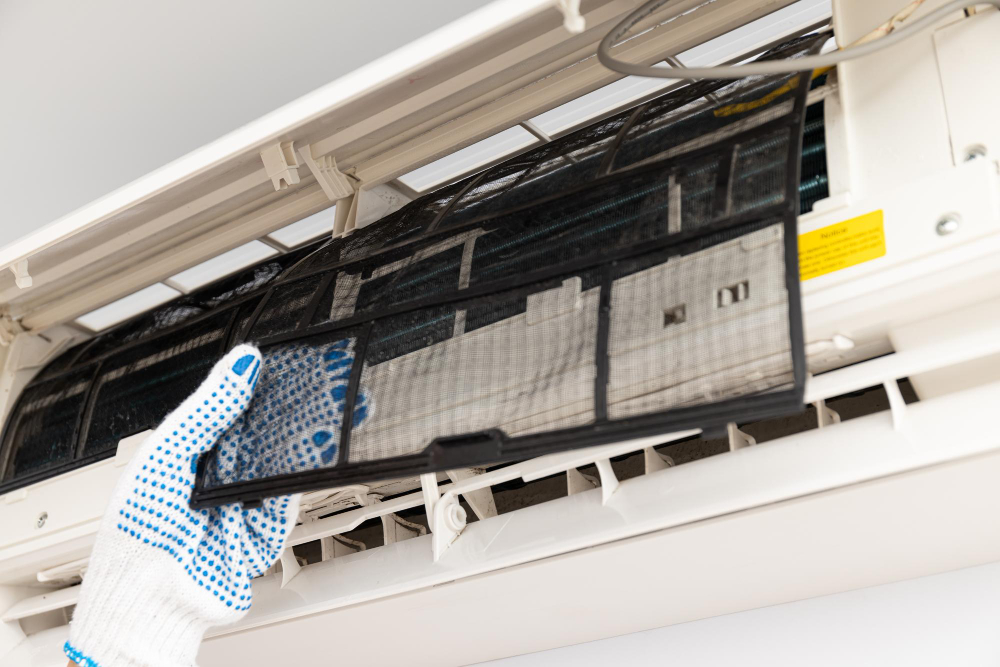
Managing commercial properties in Central Florida means dealing with HVAC maintenance on a massive scale. When you're responsible for keeping tenants happy and cooling costs down in 90-degree heat, every bit of efficiency counts. One question we often hear from maintenance teams is whether vacuuming a furnace filter is a viable shortcut to extend its life.
The short answer? It depends on the filter type, but usually, it’s better to replace than to clean. While vacuuming might remove the visible layer of dust on a filter, it rarely cleans deep enough to restore proper airflow, especially in the high-demand climate we have here in Orlando.
Let's break down the mechanics of furnace filters, the pros and cons of vacuuming them, and the best ways to keep your commercial HVAC systems running smoothly.
What Are the Different Types of Furnace Filters?
Not all filters are created equal, and knowing which one you have is the first step in maintenance.
- Fiberglass Filters: These are the inexpensive, flat panel filters often found in older systems or budget-conscious setups. They have a loose weave designed to catch large debris like lint and dust bunnies.
- Pleated Filters: These are made of polyester or cotton paper folded into pleats. The pleats increase the surface area, allowing the filter to trap smaller particles like pollen and pet dander without restricting airflow too much.
- Electrostatic Filters: These use static electricity to attract particles. Some are washable and permanent, while others are disposable.
The efficiency of these filters is measured by their MERV rating (Minimum Efficiency Reporting Value). In commercial settings, you typically see filters ranging from MERV 8 to MERV 13. Why does this matter? Higher MERV ratings mean tighter weaves, which trap more junk but also clog faster.
Can Vacuuming a Filter Save You Money?
Vacuuming a filter can offer a quick, temporary fix in a pinch, but it shouldn't be your standard operating procedure.
The main argument for vacuuming is cost savings. If you manage an apartment complex in Altamonte Springs with 200 units, buying 200 new filters every month adds up fast. Vacuuming the surface dust off a pleated filter might buy you a few extra days of airflow. It removes the "blanket" of debris that physically blocks air from entering the system.
However, the savings are often an illusion. If a vacuumed filter is still 50% clogged with embedded dust, your central air conditioning systems have to work harder to pull air through. This increases electricity usage, which often costs more than a fresh $10 filter.
Why Is Vacuuming Usually a Bad Idea?
Vacuuming can damage the filter's structure and fails to remove the particles that actually restrict airflow.
Most household and shop vacuums are too powerful for delicate filter materials. The suction can pull the fibers apart, creating larger holes where dust and allergens can pass right through and coat the evaporator coil. Once that coil gets dirty, you're looking at a much more expensive problem than a dirty filter.
Furthermore, filters work by trapping particles inside the material, not just on top. A vacuum only cleans the surface. It can’t suck out the microscopic pollen or smoke particles trapped deep in the pleats. Reinstalling a "clean-looking" but internally clogged filter restricts air, leading to frozen coils—a common sight during humid Florida summers.
What Do the Experts Say?
HVAC professionals and filter manufacturers almost universally recommend replacing disposable filters rather than cleaning them.
Most manufacturers clearly state on the packaging that disposable filters are intended for single use. Altering the filter by vacuuming it can compromise its MERV rating. We've seen maintenance crews try to stretch a filter's life to three months during July, only to end up with a burned-out blower motor because the system was suffocating.
How Often Should You Replace Filters?
For commercial properties in Florida, checking filters monthly is non-negotiable.
- Fiberglass Filters: Replace every 30 days. They clog quickly and offer little protection for the equipment.
- Pleated Filters (1-2 inch): Check monthly, replace at least every 90 days. In high-traffic commercial spaces or during peak summer, monthly replacement is safer.
- Thick Pleated Media (4-5 inch): These can last 6 to 12 months, depending on the environment.
Why does this schedule matter? A consistent schedule prevents emergency service calls. An AC unit in a hot office building runs non-stop. If the filter is dirty, the pressure drops, and the system risks icing up.
Are There Alternative Cleaning Methods?
Washing is only an option if you have specifically purchased reusable or "permanent" filters.
Some electrostatic filters are designed to be hosed down. If you use these, ensure they are 100% dry before reinstalling them. Putting a wet filter back into a dark, cool HVAC system is a recipe for mold growth. For standard disposable filters, washing will turn the paper media into mush and ruin them immediately.
How Do Dirty Filters Impact Health and Costs?
Neglecting filter changes hurts both your budget and your tenants' health.
Indoor air quality is a major concern for commercial tenants. A clogged filter can no longer trap allergens, recirculating dust and pollutants throughout the building.
From a cost perspective, the math is simple. A dirty filter can increase energy consumption by 5% to 15%. If your commercial property’s electric bill is $5,000 a month, a 10% increase is $500—far more than the cost of bulk filters from a provider of AC supplies Central Florida.
Florida HVAC: The Humidity Factor
Here in Central Florida, our high humidity changes the game for HVAC maintenance.
Moisture makes dust sticky. When humid air passes through a filter, the dust trapped there can become damp and caked on, making it impossible to vacuum off effectively. Additionally, our AC units run nearly year-round, clocking in way more hours than a unit in Ohio or Michigan.
This means filters load up faster here. Commercial managers near heavy construction zones, like the ongoing expansion near the I-4 Ultimate project or new developments in Lake Nona, will see filters clog even faster due to ambient dust.
Replace, Don't Reuse
While you can physically run a vacuum over a filter, it's rarely worth the risk or effort for commercial properties. The potential damage to the filter material and the strain on your HVAC equipment far outweigh the few dollars saved.
For the best performance, stick to a strict replacement schedule. It protects your expensive home package air conditioning units and keeps your tenants comfortable.
If you're managing properties and need reliable access to filters and parts, you need a partner who understands the local market. Whether you need capacitors, motors, or just a steady stream of AC supplies Central Florida, we have the inventory to keep you running.
Ready to stock up on supplies for your commercial properties?
Contact Discount Air Supply LLC at (407) 951-5050 today. We are the local experts you trust with your business and customers.