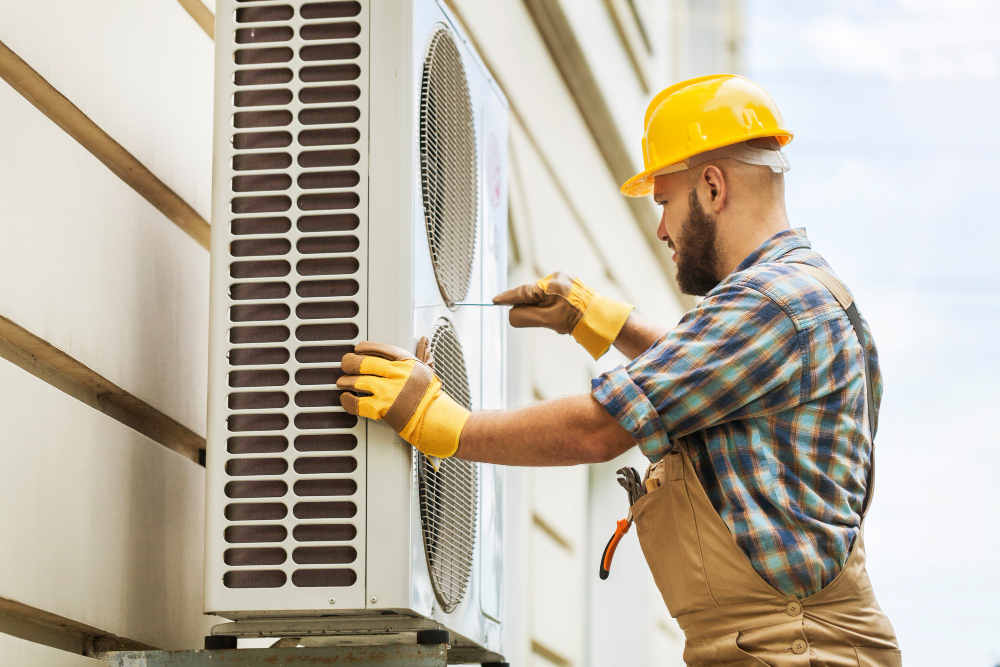
It feels like swimming through soup when you walk outside in August here in Orlando. We’ve all had that moment where your glasses fog up instantly, or you feel like you need another shower five minutes after leaving the house. That relentless humidity isn't just uncomfortable for us; it’s brutal on the equipment we rely on to stay cool.
For HVAC business owners in Central Florida, standard equipment often isn't enough to handle the workload. Our unique climate necessitates specialized AC parts for optimal performance and longevity. When you're servicing homes from Lake Nona to Winter Park, understanding how our swamp-like air destroys standard components is the key to reducing callbacks and building trust with your clients.
How Does Central Florida Humidity Affect AC Performance?
High humidity forces air conditioning systems to work significantly harder to cool a home effectively. In drier climates, an AC unit simply lowers the air temperature. Here in Florida, where summer humidity averages between 70% and 90%, the system must first remove a massive amount of moisture from the air before it can effectively lower the temperature. This latent heat load accounts for nearly 50% of the total cooling workload in our region.
If the AC parts aren't designed to handle this constant moisture removal, the system will short-cycle or run continuously without ever making the home feel comfortable. This leads to skyrocketing energy bills and premature failure of critical components like compressors and capacitors.
Which AC Parts Are Most Vulnerable to Humidity?
Evaporator Coils
Evaporator coils are the front line defense against humidity, but they take a beating in our climate. As warm, humid air passes over the cold coils, condensation forms. In a standard environment, this is fine. But in Central Florida, that moisture is constant and heavy.
This continuous exposure to water, often combined with volatile organic compounds (VOCs) in the home, leads to formicary corrosion. This microscopic tunneling weakens the coil walls until they eventually leak refrigerant. To combat this, we recommend installing all-aluminum coils or coils with factory-applied corrosion-resistant coatings. These specialized materials can extend the life of the coil by 3-5 years compared to standard copper-aluminum mixes.
Condenser Coils
Located outside, condenser coils face a double threat: internal heat exchange stress and external environmental attacks. The salt air in coastal areas or even the heavy, sulfurous rain we get during afternoon storms accelerates oxidation.
When the fins on a condenser coil corrode, they become brittle and crumble away. This reduces the surface area available for heat release, causing the compressor to overheat. Applying a protective coating or choosing units with epoxy-coated fins is a smart investment for homeowners looking to protect their central air conditioning systems.
Air Filters
Air filters play a massive role in humidity management. A clogged filter restricts airflow, which drops the temperature of the evaporator coil too low. In our humid climate, this causes the coil to freeze over almost instantly, turning a block of ice into a blocked system.
Furthermore, high humidity creates the perfect breeding ground for biological growth on cheap filters. We advise using synthetic media filters rated MERV 8 to MERV 11. These resist moisture absorption better than standard paper or fiberglass filters, preventing mold growth while maintaining proper airflow.
Ductwork
Ductwork in unconditioned spaces like attics is prone to sweating. When cold air moves through ducts in a 120°F attic with high humidity, condensation forms on the exterior of the ducts. Over time, this water damage ruins insulation and causes drywall stains.
More dangerously, if there is any leakage in the return side of the ductwork, the system sucks in humid, dirty attic air. This overwhelms the AC's capacity to dehumidify. Sealing ducts with mastic and ensuring adequate insulation (R-8 or higher) is critical in our market.
How Do You Choose the Right AC Supplies for Central Florida?
Selecting the right parts for our climate isn't just about brand loyalty; it's about material science. When you're stocking your truck or quoting a job, look for "tropicalized" or heavy-duty specs.
Checklist for Humidity-Ready Parts:
- Coils: All-aluminum construction or tin-plated copper.
- Controls: Thermostats with built-in dehumidification logic (droop control).
- Motors: ECM motors that can ramp down speed to improve moisture removal.
- Cabinets: Heavy-gauge galvanized steel with high-quality powder paint to resist rust.
For example, many home package air conditioning units are specifically engineered to sit outside and withstand the elements, but checking the specific salt-spray rating on the cabinet can save your client a rusted-out bottom pan five years down the road.
What Maintenance Prevents Humidity Damage?
Regular maintenance is the only way to catch humidity damage before it becomes a catastrophe. In Central Florida, "regular" means at least twice a year—once before the long cooling season begins in March and again in the "winter" months.
Key Maintenance Steps:
- Clear Drain Lines: Algae grows aggressively in our drain lines due to the constant flow of warm water. Flush them with vinegar or a specialized biocide during every visit to prevent backups that trigger float switches.
- Check Insulation: Inspect the suction line insulation outdoors. The sun destroys this rubber quickly here, leading to sweating pipes and energy loss.
- Monitor Static Pressure: High static pressure often indicates airflow restrictions that will kill dehumidification capacity.
When Should You Call a Local Supplier?
Trying to make generic parts work in a high-humidity environment is a recipe for unhappy customers. You need a partner who understands that a part failing in July isn't just an inconvenience; it's a health hazard.
At Discount Air Supply LLC, we stock the specific AC supplies Central Florida contractors need to battle the humidity. From coated coils to high-capacity drain pans, we have the inventory on hand so you don't have to wait for shipping while your customer sweats.
The Bottom Line on Humidity Control
The humidity in Orlando isn't going anywhere. As HVAC professionals, our job is to ensure our clients' homes remain a sanctuary from the swamp. By using specialized parts designed to withstand moisture and corrosion, you provide better value, fewer breakdowns, and superior comfort.
If you need help finding the right parts for your next job or just want to talk shop about the latest humidity solutions, stop by or give us a call.
Need specialized parts for your next job?
Contact Discount Air Supply LLC at (407) 951-5050 today. We're located right here in Casselberry and ready to help you keep your customers cool.