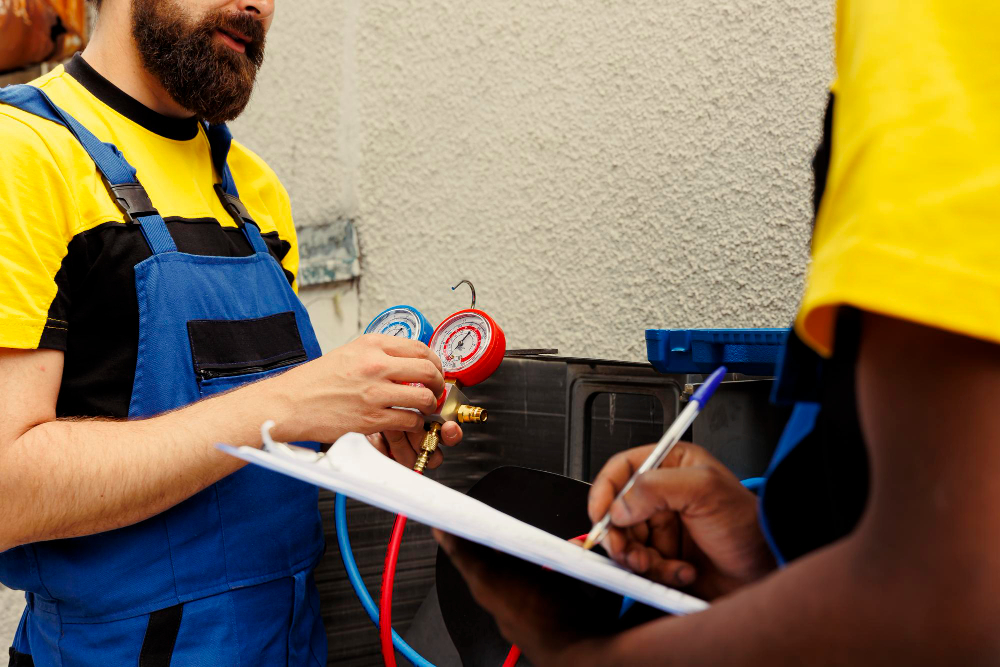
For commercial property managers in Central Florida, an efficient HVAC system isn't just a luxury—it's a critical asset. With Orlando’s average summer temperatures hitting 90-95°F and humidity levels hovering around 70-80%, your tenants rely heavily on consistent cooling. A breakdown isn't just an inconvenience; it can mean lost revenue, unhappy tenants, and costly emergency repairs.
Maintaining these systems requires a proactive approach. AC units in Florida work 2-3 times harder than those in northern states, and humidity alone reduces an AC unit's lifespan by about 20% compared to drier climates. Whether you manage an office building in downtown Orlando or a retail space near the Red Bug Lake area, keeping your cooling infrastructure in top shape is essential for protecting your bottom line. Here are five expert tips to ensure your commercial HVAC system runs smoothly year-round.
1. Why Is Regular Filter Replacement So Critical?
Changing air filters is the single most effective way to prevent system failure, yet it's often overlooked. A dirty filter restricts airflow, forcing the system to work harder to push air through the ducts. This added strain can overheat the motor and freeze up the evaporator coils, leading to premature breakdowns.
For commercial properties, filters should typically be inspected monthly and replaced at least every three months—more often if the building sees high foot traffic or if you're located in areas with active construction, like the expanding developments near Lake Nona.
Why it matters:
Replacing filters is a low-cost maintenance task that prevents high-cost repairs. Clean filters improve indoor air quality for your tenants and keep energy bills in check. Neglecting this simple step is a leading cause of frozen coils and compressor failure, which can cost anywhere from $1,500 to $2,500 to replace in the Orlando market.
If your maintenance team handles this in-house, sourcing quality HVAC supplies Orlando Florida relies on is key. Using the correct size and MERV rating for your specific units ensures optimal airflow and filtration.
2. Does Annual Professional Maintenance Really Save Money?
Yes, absolutely. Think of professional maintenance as an insurance policy for your cooling equipment. While your on-site maintenance staff can handle basics like filter changes, a licensed professional should perform a comprehensive tune-up at least once a year—ideally twice, before the peak summer heat and again during the cooler dry season (October-May).
A professional tune-up typically costs between $80 and $150 per unit, but it catches small issues before they become disasters. Technicians will check refrigerant levels, clean the condenser coils, inspect electrical connections, and calibrate thermostats.
Why it matters:
In Florida, the most common refrigerant, R-410A, needs to be at precise levels for the system to cool effectively. If your system is older and still uses the phased-out R-22 (Freon), leaks can be incredibly expensive to address. Routine maintenance helps identify leaks early.
Furthermore, central air conditioning systems that are regularly maintained can last 10-15 years in Florida's harsh climate. Without maintenance, that lifespan can drop significantly, forcing you into early capital expenditures for replacements.
3. How Should You Maintain the Outdoor Unit?
The outdoor unit, or condenser, is the workhouse of your HVAC system. It needs to breathe to release heat effectively. In Central Florida, storm debris from hurricane season (June-November) and rapid vegetation growth can quickly choke these units.
Ensure there is at least two feet of clearance around every outdoor unit. This means trimming back hedges, removing fallen branches, and ensuring that mulch or grass clippings aren't blocking the airflow fins.
Why it matters:
If the condenser can't dissipate heat, the compressor has to work overtime. This spikes energy usage and increases the risk of overheating. A blocked unit's much less efficient, meaning your tenants pay more for electricity while receiving less cooling power.
Keep an eye on landscaping crews to ensure they aren't blowing debris into the units. If you need replacement parts like condenser tie-downs or pads to secure units against high winds—a must for hurricane preparedness—you can find durable HVAC supplies Orlando Florida property managers trust at local suppliers.
4. Why Should You Monitor Indoor Vents?
It’s common for tenants to close vents in unoccupied rooms or block them with furniture and filing cabinets to manage their immediate comfort. However, commercial HVAC systems are balanced to deliver a specific volume of air to each zone. Closing vents disrupts this balance, increasing pressure in the ductwork.
As a property manager, include vent inspections in your routine walkthroughs. Ensure that return air vents are not blocked by boxes or equipment, as this starves the system of air.
Why it matters:
Blocked vents can cause duct leakage and reduce the overall lifespan of the blower motor. If your building utilizes home package air conditioning units for individual suites (common in garden-style office parks found in Altamonte Springs or Maitland), keeping that airflow balanced is vital for maintaining humidity control. Poor humidity control can lead to mold issues, which is a major liability in Florida’s damp climate.
5. Is a Smart Thermostat Upgrade Worth the Investment?
Upgrading to smart thermostats is one of the smartest capital improvements you can make. Commercial-grade smart thermostats allow you to set schedules, lock out extreme temperature ranges, and monitor usage remotely.
For example, you can ensure the AC isn't running at 68°F all weekend when the office is empty. Many modern thermostats also provide maintenance alerts, notifying you if humidity levels rise dangerously high or if the system is taking too long to cool the space—often a sign of a refrigerant issue.
Why it matters:
Energy costs in Florida are substantial. By optimizing run times, you can reduce energy waste by 10-20%. Additionally, smart thermostats prevent tenants from setting the temperature too low, which can freeze the coils during humid summer days.
When planning upgrades for your properties, whether they are near the hustle of I-4 or tucked away in Winter Park, sourcing the right controls is easy when you know where to look for HVAC supplies Orlando Florida professionals recommend.
Keeping Your Cool in Central Florida
Managing commercial properties in Orlando comes with unique challenges, largely due to our intense heat and humidity. Your HVAC systems are the lungs of your buildings, and keeping them healthy is non-negotiable for tenant retention and asset protection.
By staying on top of filter changes, investing in professional maintenance, keeping outdoor units clear, monitoring airflow, and upgrading to smart controls, you can extend the life of your equipment and keep operating costs predictable.
If you need quality parts or expert advice on maintaining your systems, we are here to help. We stock everything from capacitors and contactors to complete system replacements.
Ready to stock up on essential maintenance parts?
Contact Discount Air Supply LLC today at (407) 951-5050 or visit us in Casselberry. We’ll help you find exactly what you need to keep your properties comfortable and efficient.