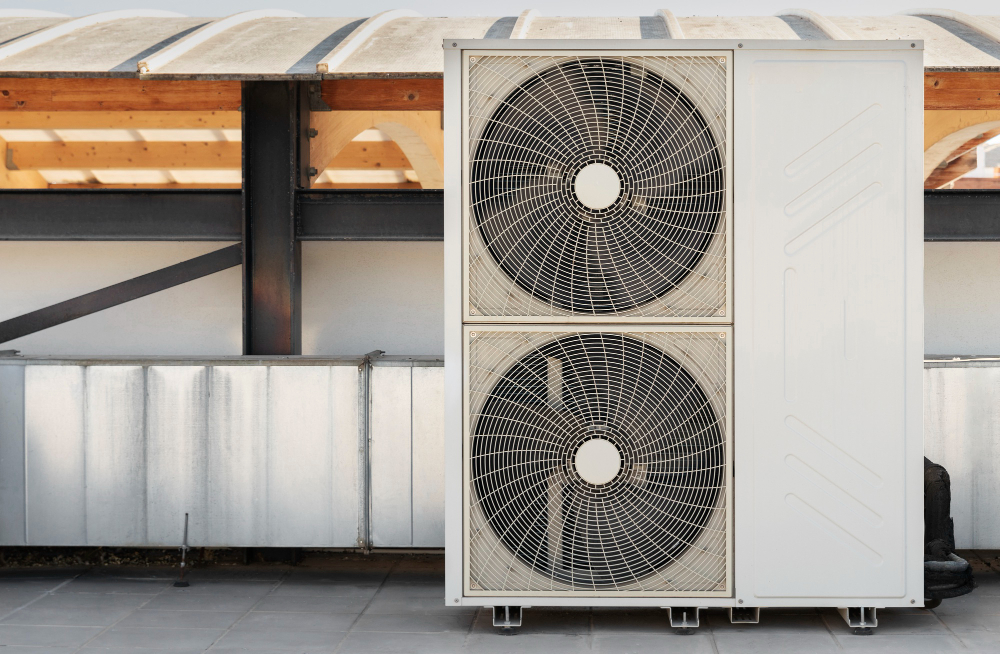
In the heat of a Florida summer, a functioning AC isn't just a luxury—it’s a necessity. We've all walked outside in August to feel that wall of humidity hit us, grateful that our homes are a cool refuge. But what happens when that refuge stops feeling so cool?
If your system is making strange noises or your energy bills are creeping up, you might be facing the reality of a replacement. It’s a significant investment, and for many homeowners here in Orlando and the surrounding areas, the first question is always: "How much is this going to cost?"
This guide breaks down the real costs of installing a new HVAC system in the Sunshine State, so you can budget with confidence and keep your home comfortable year-round.
What factors influence the cost of a new HVAC system?
Several variables dictate the final price tag of your new unit, from the size of your home to the efficiency of the model you choose.
It’s rarely a one-size-fits-all scenario. Just like you wouldn't put a compact car engine in a heavy-duty truck, you shouldn't install an undersized unit in a spacious 2,500-square-foot home. Here are the main drivers of cost:
System Size and Type
The capacity of an AC unit is measured in tons. A small condo might only need a 1.5 to 2-ton unit, while a larger single-family home in Winter Park might require a 4 or 5-ton system. Generally, the higher the tonnage, the higher the equipment cost. Additionally, the type of system matters. A standard split system (where you have an outdoor compressor and an indoor air handler) is most common here, but ductless mini-splits are gaining popularity for home additions or older homes without ductwork.
Brand and Quality
Just like cars, there are economy models and luxury models. Premium brands often come with better warranties and quieter operation but carry a higher price tag. However, reliable mid-range brands often provide excellent cooling without breaking the bank.
Energy Efficiency (SEER Ratings)
SEER stands for Seasonal Energy Efficiency Ratio. Think of it like miles per gallon for your car. The higher the SEER, the less electricity the unit uses to cool your home. While a high-SEER unit costs more upfront, it can save you significant money on your monthly OUC or Duke Energy bill.
Installation Complexity
If your current ductwork is in good shape, installation is straightforward. However, if your ducts are old, leaky, or need resizing to fit a modern system, labor costs will increase. Locations matters, too—an air handler stuffed into a tight attic crawl space takes more time and effort to replace than one in an easy-access garage closet.
Permits and Fees
In Florida, replacing an HVAC system requires a building permit to ensure the work meets safety codes. These fees vary by county (Orange, Seminole, Osceola, etc.) but are a mandatory part of the process.
How much does an HVAC system actually cost in Central Florida?
You can expect to pay anywhere between $4,000 and $12,000 for a complete system replacement in Central Florida, depending on the factors mentioned above.
This is a wide range, so let's break it down further. According to recent industry data, the national average for HVAC replacement sits around $7,000, but in high-demand, hot-climate areas like ours, specific needs can shift that number.
Cost Breakdown by System Type
- Standard Split System: This is the most common setup in Orlando homes. Prices typically range from $4,500 to $9,000 installed.
- Heat Pump: Very popular in Florida because it handles both heating and cooling efficiently. These generally run from $4,800 to $10,000.
- Ductless Mini-Split: Great for sunrooms or garages. A single-zone unit might cost $2,000 to $4,000, while multi-zone systems for a whole house can climb upwards of $10,000.
Price Ranges by Home Size
To give you a rough estimate based on the size of your property:
- 1,000 sq. ft. condo: 1.5 - 2 tons ($4,000 - $6,500)
- 1,500 sq. ft. home: 2.5 - 3 tons ($5,000 - $7,500)
- 2,500+ sq. ft. home: 4 - 5 tons ($7,000 - $11,000+)
Incentives and Rebates
Here’s some good news: you might not have to pay full price. Federal tax credits (like the Inflation Reduction Act) and local utility rebates can offset costs for high-efficiency units. For example, Duke Energy often offers rebates for installing high-efficiency heat pumps. It’s always worth asking your installer or checking locally for hvac supplies Central Florida providers who know about these savings.
How do I choose the right system for my home?
Selecting the right HVAC system involves balancing your budget with your home's specific cooling load requirements.
It’s tempting to just buy the biggest unit you can afford, thinking it will cool your house faster. But an oversized unit will turn on and off frequently (short-cycling), which wears out parts faster and leaves your home feeling humid and clammy.
Assessing Your Cooling Needs
A professional installer should perform a "Manual J" load calculation. This isn't just a guess; it’s a calculation that considers your home's square footage, insulation levels, window direction, and even how many people live there.
Evaluating Efficiency (SEER2)
As of 2023, new regulations require a minimum efficiency of 14.3 SEER2 in the Southeast region. If you plan to stay in your home for 5-10 years, investing in a 16 or 18 SEER unit often pays for itself through lower electric bills. If you’re planning to sell soon, a standard efficiency model might be the more financial savvy choice.
Getting Multiple Quotes
Never settle for the first price you hear. Get detailed written estimates from at least three licensed contractors. This allows you to compare not just the bottom line price, but also the equipment brands, labor warranties, and scope of work.
Where can I find reliable HVAC supplies in Central Florida?
Sourcing your parts and equipment from trusted local experts like Discount Air Supply ensures you get quality components backed by real community knowledge.
When you’re looking for hvac supplies Central Florida, dealing with a local business makes a difference. We aren't a giant, faceless corporation; we’re the folks who live and work right here in Central Florida. We understand exactly how corrosive the salt air can be if you're closer to the coast, or how intense the humidity gets in inland Orlando.
Benefits of Local Suppliers
Buying from a dedicated supply house often means better inventory and more knowledgeable staff compared to big-box hardware stores. Whether you're a DIY enthusiast looking for a specific capacitor or a homeowner wanting to understand what your contractor is buying, local suppliers provide a level of transparency you won't find elsewhere.
Quality and Warranty
Cheap parts often end up costing more in the long run. If a deal looks too good to be true online, it probably is. Local suppliers stock reputable brands that carry valid manufacturer warranties. This peace of mind is invaluable when your AC decides to quit on a 95-degree July afternoon.
Comparing Prices
When shopping for hvac supplies Central Florida, don't just look at the sticker price. Ask about return policies, warranty processing, and technical support. A slightly cheaper part online isn't worth much if it arrives damaged or doesn't fit your system.
Why are installation and maintenance so important?
Proper installation and regular maintenance are actually more critical to your system’s longevity than the brand name stamped on the metal box.
You could buy the most expensive, high-tech air conditioner on the market, but if it’s installed poorly, it won't work right. In fact, Energy Star states that improper installation can reduce equipment efficiency by up to 30%. That’s money flying right out of your ductwork.
The Value of Professional Installation
Modern HVAC systems are complex machines with sensitive electronics and high-pressure refrigerants. A professional ensures the refrigerant charge is exact, the airflow is balanced, and the electrical connections are safe. This prevents common issues like frozen coils and burnt-out compressors.
Maintenance Tips to Extend Lifespan
Think of your AC like your car. You wouldn't drive 100,000 miles without changing the oil.
- Change your filter: Check your AC filter once a month. A dirty filter is the main reason units break down during the summer. Replacing it yourself is easy, and it keeps your home comfortable while saving you money on power.
- Clear the drain line: Florida’s humidity creates a lot of condensate water. Pouring a cup of vinegar down the drain line periodically can prevent clogs and water damage.
- Keep the outdoor unit clear: Make sure shrubs and fences are at least 2 feet away from the outside compressor to allow for proper airflow.
Signs You Need a Replacement
- Age: If your system is over 10-12 years old, it’s living on borrowed time.
- Frequent Repairs: If you’re calling the repairman every few months, put that money toward a new unit instead.
- Rising Bills: If your usage hasn't changed but your bill has spiked, efficiency is dropping.
Looking for HVAC help?
Whether you need a full system replacement or just a specific part to keep your current unit running, we’re here to help.
At Discount Air Supply, we pride ourselves on being the go-to source for hvac supplies Central Florida. We offer free estimates and friendly advice to help you navigate these big homeowner decisions. You don’t have to guess your way through HVAC repairs or replacements.
Contact us today or visit our warehouse to discuss your needs. Let's get your home cool and comfortable again.
Summary
Investing in a new HVAC system is a big decision for Orlando homeowners, but it pays off in comfort and energy savings. Costs generally range from $4,000 to $12,000 depending on the size and efficiency of the unit. Remember, the cheapest option isn't always the best value—installation quality and regular maintenance are key to making your investment last. By understanding your home’s needs and working with trusted local suppliers, you can beat the Florida heat without getting burned on price.